© European Defence Agency
Europe’s defence spending is rising sharply, but current plans are still insufficient to deliver the deployable and interoperable forces required for the EU’s 2030 defence-readiness objective, according to the European Defence Agency.
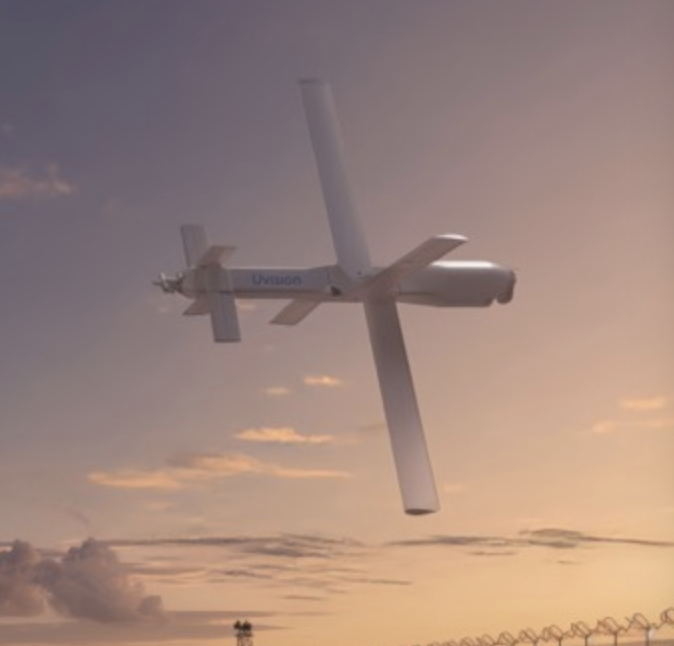
The warning comes from the EDA’s first annual Defence Readiness Report, prepared for EU leaders. According to an executive summary seen by Reuters, current national plans do not appear sufficient to close critical capability gaps in air and missile defence, ground combat, naval forces, ammunition stockpiles and drones.
The assessment comes despite a significant increase in expenditure. Defence spending across the EU’s 27 Member States reached €418 billion in 2025, up 20% from 2024, and is projected to rise to €454 billion in 2026. Twenty-three Member States spent at least 2% of GDP on defence in 2025.
The central issue, according to the report, is therefore not spending alone. Increased investment has yet to translate sufficiently into deployable, sustainable and interoperable forces, while major capability shortfalls remain.
The report forms part of the EU’s drive towards greater defence readiness by 2030, shaped by Russia’s war against Ukraine and concerns about Europe’s ability to provide more of its own defence capabilities. Russia has denied having plans to attack an EU member state.
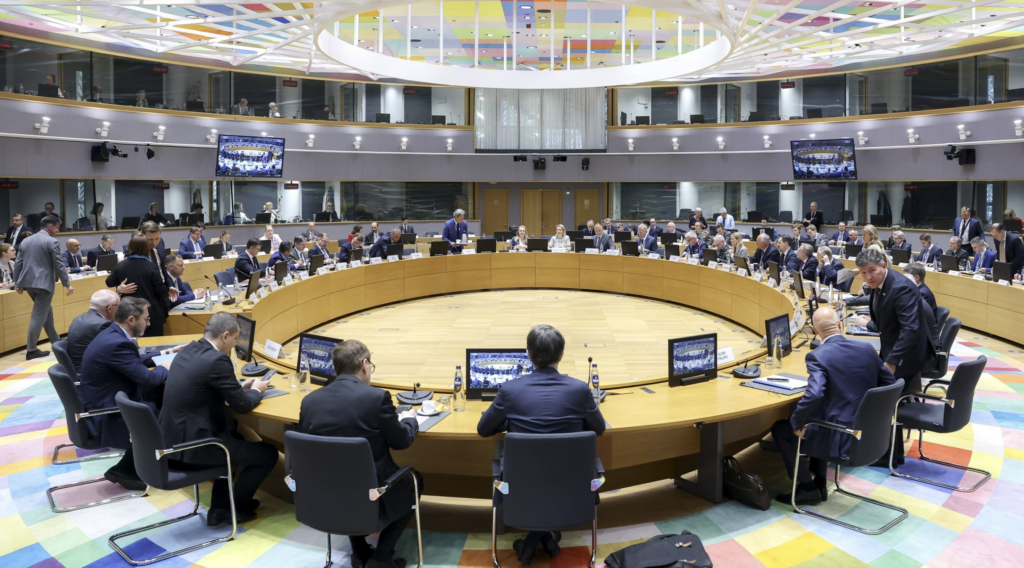
EU defence ministers are expected to discuss the assessment before it moves to EU leaders.
Source: European Defence Agency, Photo Credit: © European Defence Agency (EDA), Edited: AI